What To Actually Include in Your Nonprofit Newsletter
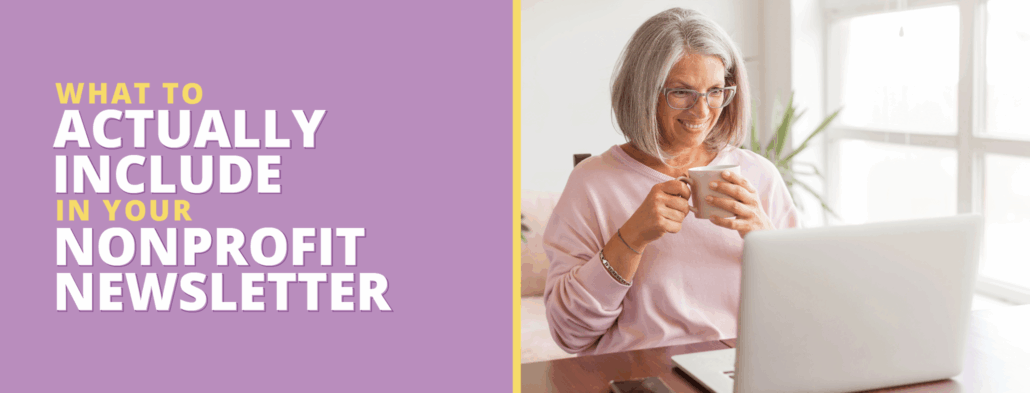
Similar to your email inbox, your supporters’ inboxes are crowded. Between work emails, sales promotions, and bills, your newsletter has only a few seconds to earn a click. That’s why the content inside matters so much. A strong newsletter keeps supporters connected to your mission and can even help boost funding for your nonprofit.
But many organizations struggle to figure out what content actually drives engagement and donations. In this guide, we’ll walk through four essential parts of nonprofit newsletters that give readers a reason to open, read, and act.
Tangible Impact and Statistics
Donors want to know their contributions matter, and your newsletter is a great place to show them.
Start by sharing the social impact of your work, like the families you served or the acres you protected. Then get specific about results. If a recent event or fundraising campaign raised $25,000, say so, and explain what that money will do.
Not sure which numbers to share? UpMetrics’ social impact guide recommends starting with metrics that are easy to measure and understand, such as:
- The number of community members who took part in your programs
- The percentage change in a mission-related metric, like higher employment rates or lower carbon emissions
- Satisfaction scores from surveys completed by the people you serve
Remember, qualitative data also counts. A quote from a program participant can say as much about your impact as any statistic, which we’ll explore in the next section.
Keep in mind that numbers are easier to digest when readers can see them. Instead of relying on text alone, turn complex financial or impact data into simple infographics or pie charts. Visual progress indicators work well, too. A classic fundraising thermometer shows how close your peer-to-peer campaign is to its goal, while an impact map shows where your work is happening. Both build momentum and create a sense of urgency that encourages readers to pitch in.
Beneficiary-Centric Storytelling
Statistics show your impact, but stories help readers actually feel it. A well-told story is often the part of your newsletter that sticks with people long after they close the email.
The key is to center stories around the people, animals, or places you serve. Highlight exactly who your organization helped and what you helped them achieve. Your donors should be able to picture the real individual behind the outcome.
Keep it short and sweet. Most supporters read emails on the go with their phones. Use short paragraphs and get to the point quickly so readers don’t lose interest. A good approach is to share a brief overview in your newsletter, then link to the full story on your blog. Your website is one of the best places to share your nonprofit’s impact stories, and linking there builds a strong referral pathway, too.
Here are a few types of stories to try:
- A participant spotlight: Share how a student in your after-school tutoring program went from failing math to making the honor roll.
- A before-and-after: Show how a vacant lot became a community garden that now feeds dozens of neighborhood families.
- A volunteer’s perspective: Let a longtime volunteer describe the moment that reminded them why they keep showing up.
Rotating through these different angles keeps your newsletters fresh while regularly reminding donors why their support matters. Just remember to obtain clear consent before sharing anyone’s personal journey. When told authentically, these brief snapshots do more than inform, they transform casual readers into lifelong champions.
Eye-Catching Calls to Action (CTAs)
When someone is inspired by your newsletter, a clear next step leverages that momentum. That might be donating, registering for your upcoming charity auction, or signing up to volunteer.
As Cornershop Creative’s nonprofit marketing plan guide explains, calls to action are short statements that invite your audience to do something, like sharing a social media post, making a gift, or registering to volunteer. The guide recommends including an invitation to act in every marketing message you send.
Here’s how to make your newsletter CTAs work harder:
- Lead with one heartfelt ask. Too many requests compete for attention. Choose one primary action per newsletter and make it the star. Smaller secondary links (like “read the full story”) are fine, as long as they don’t crowd your main ask.
- Use buttons, not just hyperlinked text. Colorful buttons stand out and are easier to tap on a phone. Avoid putting your CTA text inside an image, since screen readers can’t read it and some email clients block images by default.
- Write specific, action-oriented copy. For example, “Give $25 to Stock Our Shelves” tells readers exactly what they’re accomplishing when they donate.
- Place your CTA where readers will see it. Include it near the top for skimmers, then repeat it after your impact story, when readers are most inspired.
- Give buttons room to breathe. Use plenty of white space and strong color contrast so your CTA is easy to spot and accessible to readers with low vision.
A strong CTA removes friction by turning inspiration into immediate, tangible support for your mission. When you pair a single clear ask with clean design, taking that next step becomes effortless for your readers.
Personalized Content
A one-size-fits-all newsletter rarely connects with anyone perfectly. Instead of sending the same email to everyone, use the data in your constituent relationship management (CRM) system to tailor content to each reader.
This does take some setup, but provides a large payoff. Your CRM and email platform need to talk to each other so the right data shows up in the right place. Agencies that offer professional nonprofit email marketing services know how to connect these tools, making personalized content possible without adding hours to your team’s week.
Once your systems are connected, try these ways to personalize your newsletters:
- Segment by donation history. Thank recent donors and show them their impact. Gently reintroduce your mission to lapsed donors before making a new ask.
- Segment by program interest. Send youth program updates to supporters who’ve engaged with those programs, and advocacy news to people who’ve signed your petitions.
- Customize subject lines. Add the recipient’s first name or city to make your email feel less like a mass message.
- Tailor your CTAs. Invite volunteers to an upcoming shift, and ask first-time donors to consider a monthly gift.
- Swap in dynamic content blocks. Many email platforms let you show different stories or images to different segments within the same newsletter.
Keep in mind that personalization is only as good as the data behind it. Clean, accurate records matter, so steer clear of common mistakes in donation tracking that leave gaps in your donor profiles.
Wrapping Up
For many nonprofits, every two to three weeks is a good rhythm for sending newsletters, as long as you have strong, valuable content to share. If you don’t, wait. It’s better to send fewer, high-quality emails than to overwhelm subscribers and contribute to donor fatigue.
When each of your nonprofit newsletters shares real impact, tells a meaningful story, makes a clear ask, and speaks to readers personally, supporters will look forward to seeing your organization’s name in their inboxes.